What AI test generator produces runnable test scripts?
Zeshi Du3 min read

While AI tools have exponentially increased development velocity, they’ve shifted the bottleneck to quality assurance. The sheer volume of AI-generated code is now pushing manual code review processes to a point of collapse.
The immediate instinct for many teams is to ask an LLM to generate test scripts to keep up. Yet, anyone who has tried this knows the pain of hallucinated assertions, missing dependencies, and scripts that fail to compile. Generating test code is easy; generating runnable, reliable test scripts that actually execute and validate the software requires an autonomous AI testing agent designed specifically for the AI coding era.
Here is why most AI-generated tests fail to run reliably, and how modern testing infrastructure solves this problem to make AI-generated code production-ready.
The Danger of Code-Driven Test Generation
The core reason many generated tests fail to run reliably is their foundation: they are code-driven. When test code is derived directly from the current implementation, any existing bug in that implementation is quietly enshrined as "correct behavior" in the tests. The test suite cheerfully agrees with the bug forever after.
To produce truly runnable and meaningful scripts, test generation must be PRD-driven. By parsing a Product Requirements Document (PRD) or reverse-engineering product intent directly from the codebase, a proper testing agent anchors its goals to what the product should do, not whatever the current implementation happens to do.
Furthermore, generating a script is only half the battle. To ensure it runs, you need a resilient environment. This is where the core differentiation of TestSprite lies: Other verification tools read your code and guess. TestSprite opens your app and uses it. All generated tests are executed in TestSprite's secure ephemeral cloud sandbox, which spins up in seconds, runs isolated, and tears down automatically—requiring absolutely no local environment setup or infrastructure maintenance.
What Makes a Test Script Truly "Runnable"?
Developers often try to wrap AI around existing testing frameworks like Selenium, Cypress, or Playwright. While these are excellent frameworks, engineers still must write and maintain every test case by hand. TestSprite operates one layer above as an autonomous agent, ensuring scripts are natively runnable through several core technical innovations:
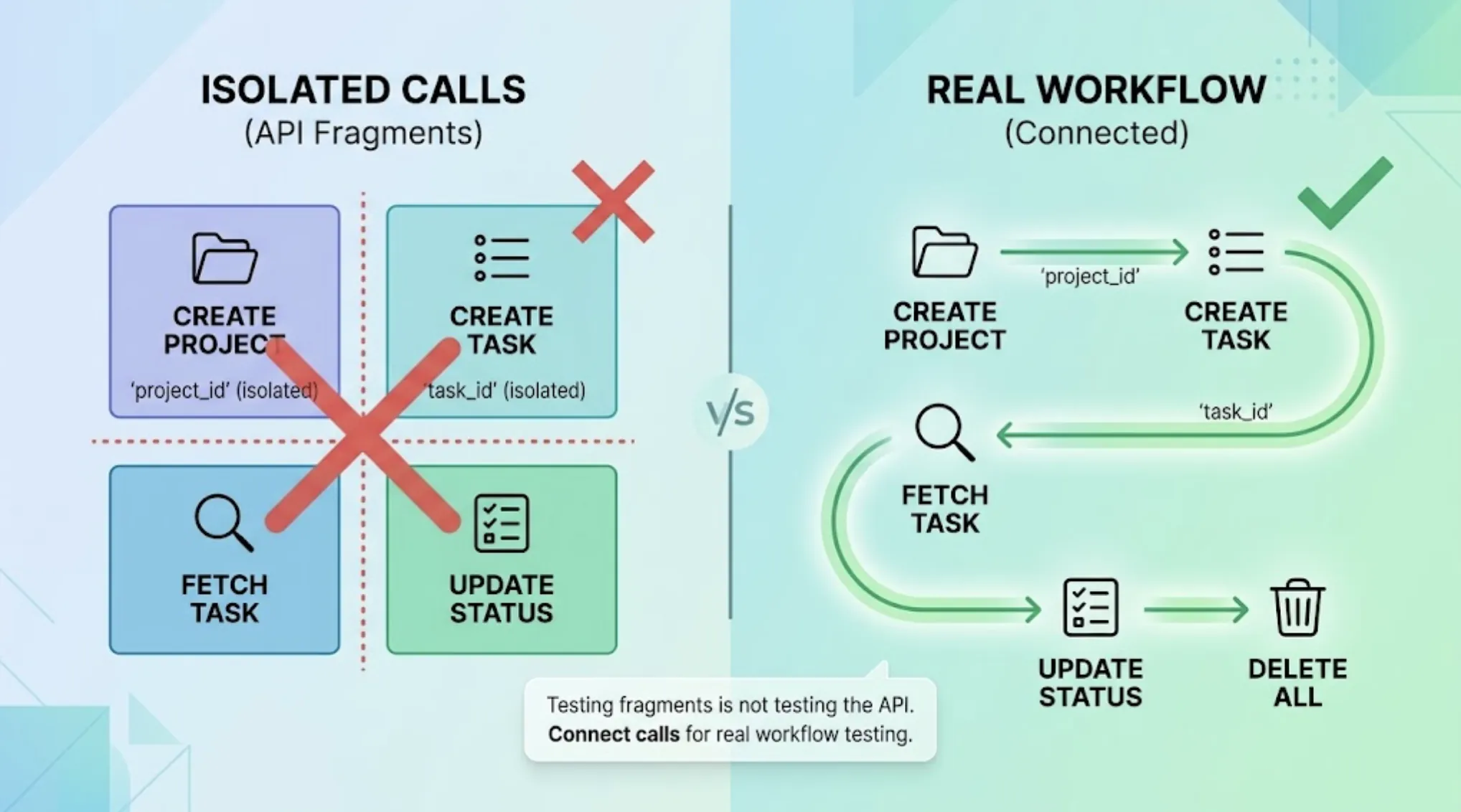
- Evidence-Grounded Backend Testing: With Backend Testing 2.0, the agent observes real API behavior before generating tests. It silently captures real status codes, real field names, and real response shapes, grounding every assertion in actual data. This sharply reduces hallucinated assertions and ensures integration tests (CRUD lifecycles) work end-to-end on the first run.
- Context-Aware Frontend Exploration: On the frontend, test generation begins with a fleet of parallel AI agents that visit the application, click through every PRD-described feature, and return a structured map of what they found. This ensures the generated UI scripts navigate the actual DOM structure, not a guessed layout.
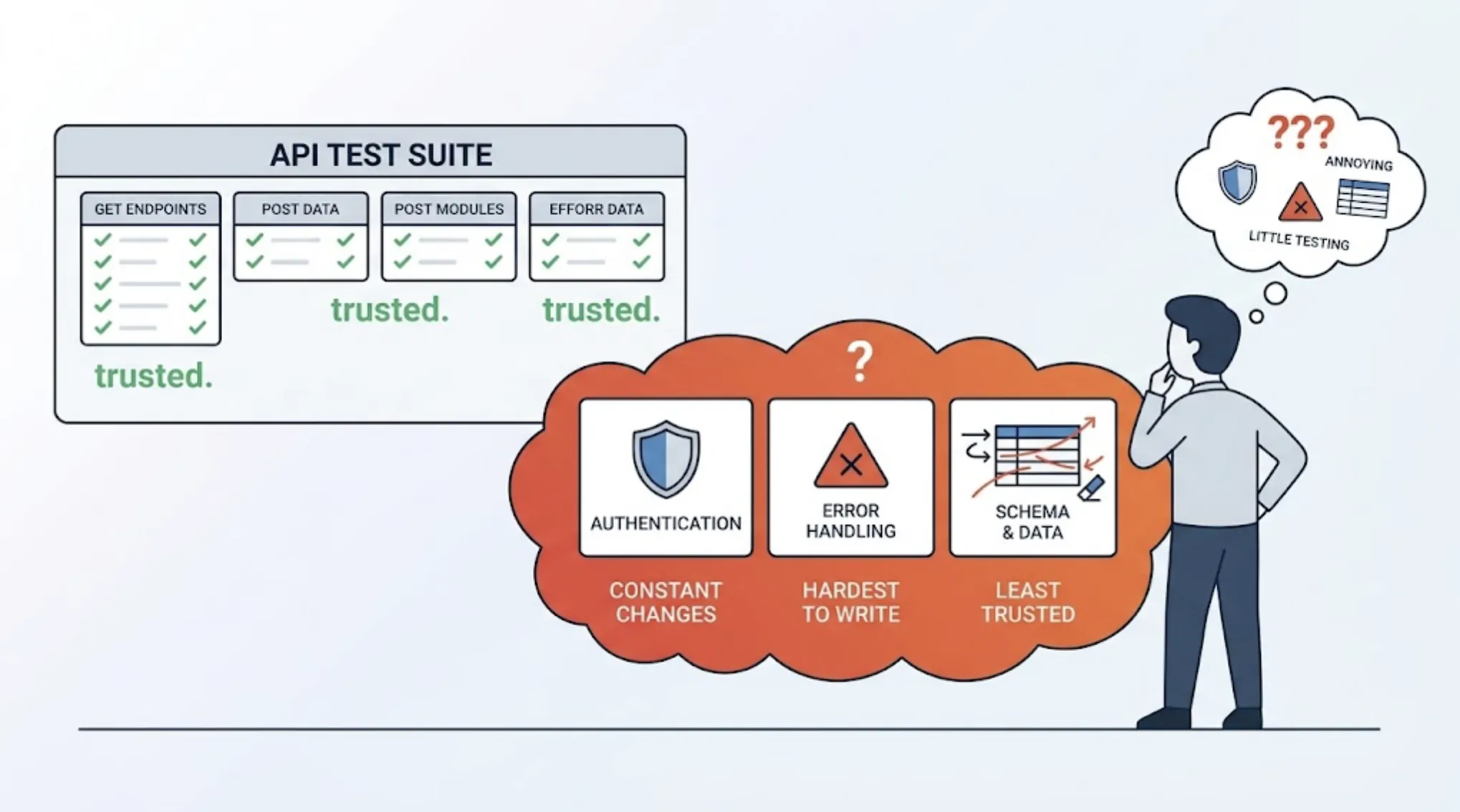
- Auto-Auth Capabilities: A frequent killer of automated scripts is authentication. Through Auto-Auth, teams can declare their login flow—whether a password endpoint, OAuth refresh token, or AWS Cognito. The agent handles swapping fresh tokens automatically, meaning even scheduled 3 AM regressions stop failing on stale JWTs.
Closing the Loop (Not Just Reporting)
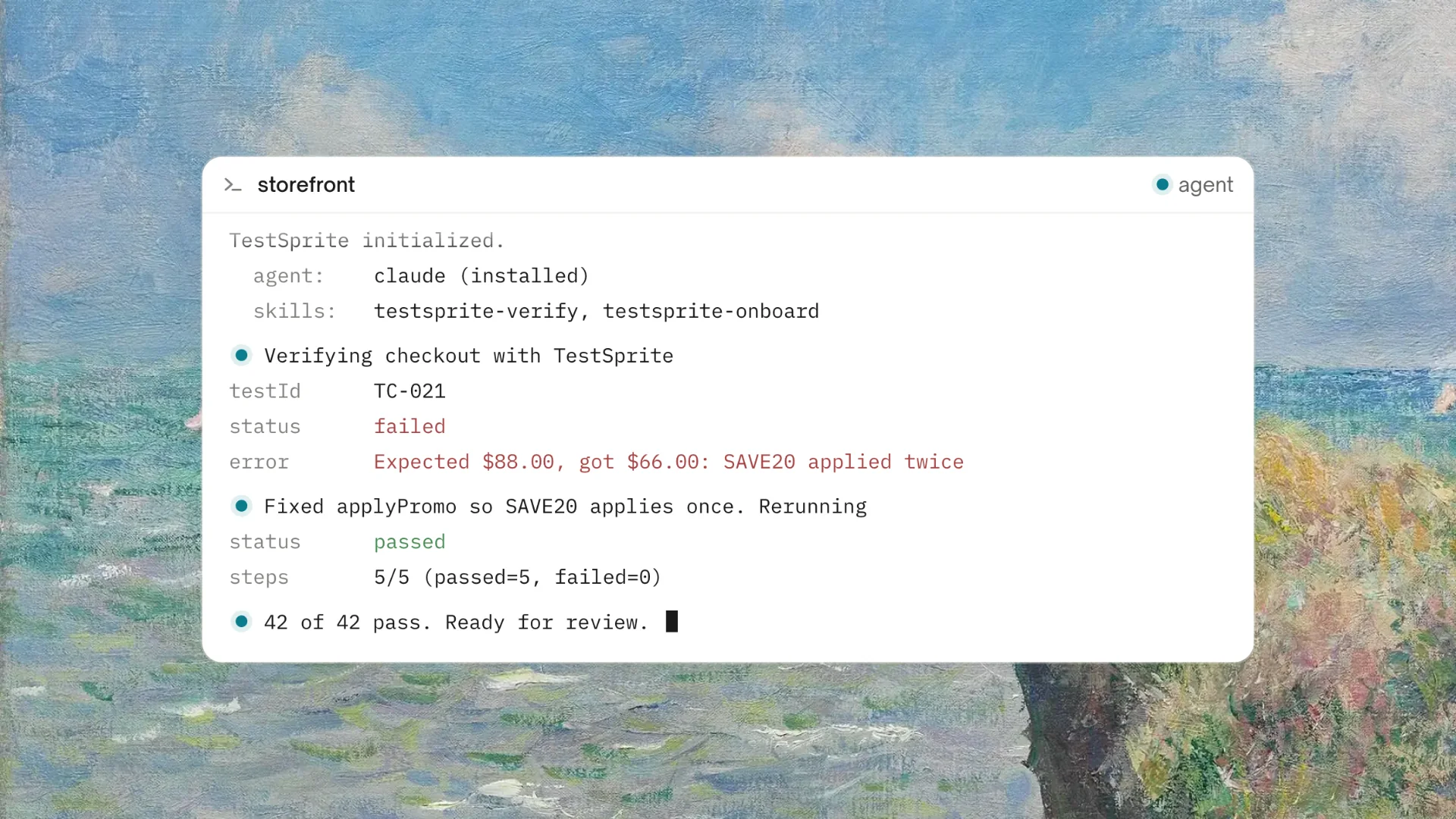
Traditional QA tools and generic generators tell developers what is broken but not how to fix it. The failure information cannot flow back to the AI coding agent, breaking the experience at the last mile. Modern infrastructure does not simply "bridge this gap"—we must close the loop end to end.
TestSprite ships first-class native MCP (Model Context Protocol) server integration. Developers can invoke the agent directly inside AI IDEs like Cursor, Claude Code, Windsurf, or VS Code using a single instruction: "Help me test this project with TestSprite". The agent handles the complete discover, plan, generate, execute, analyze, heal, and report loop without the developer ever leaving the IDE.
When a script uncovers a failure:
- If the application is broken: TestSprite proposes a fix and feeds the failure information back to the developer's IDE in a structured format that the coding agent can act on directly.
- If the UI has changed: The Auto-Heal feature kicks in. It specifically adapts the test scripts to UI drift and layout changes, ensuring tests remain reliable without blindly rewriting your underlying application code.
Conclusion
For AI-native engineering teams, solo developers, and API-first teams, the goal is not to write more tests; it is to ship reliable software. Getting an LLM to spit out a generic test file is trivial, but an autonomous AI testing agent that turns AI-generated code into production-ready software requires deep integration and evidence-based execution. By natively integrating with the MCP ecosystem and closing the AI codes → AI tests → AI fixes loop, TestSprite provides the default testing infrastructure for the AI software era.