Selenium vs TestSprite: Should We Migrate from Browser Automation Scripts to AI Testing?
Zeshi Du6 min read

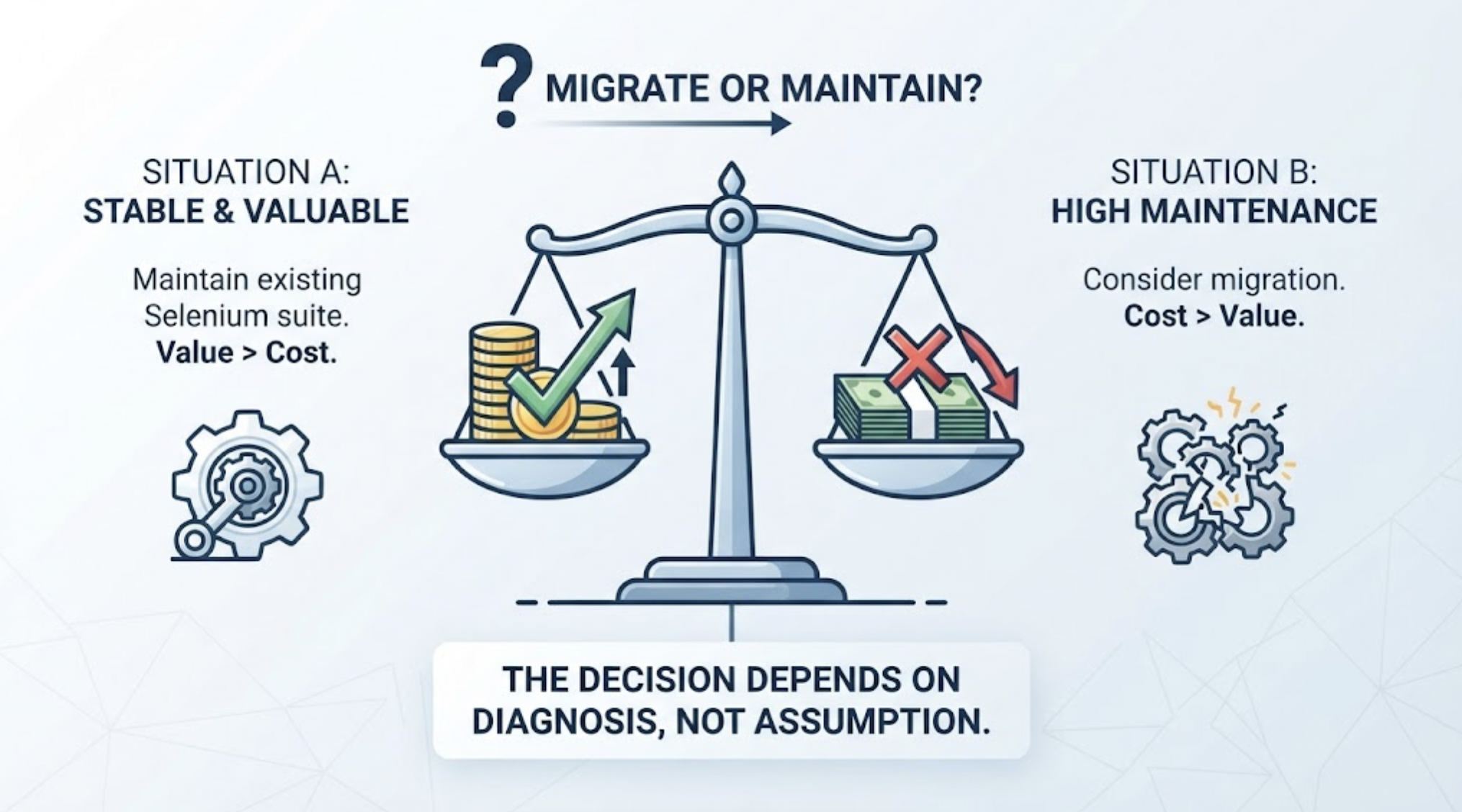
The migration question is worth taking seriously. The answer isn't "always yes." It's "yes, if your current setup has specific symptoms."
Before deciding whether to migrate, it's worth diagnosing what's actually happening with your Selenium suite. Some teams have Selenium setups that work reliably and are worth maintaining. Others have setups where the maintenance cost exceeds the value the coverage delivers. Those two situations call for different decisions.
What a Functioning Selenium Suite Provides
A well-maintained Selenium suite, with clean abstractions and consistent page object patterns, provides something genuinely valuable: precise, deterministic coverage for the flows that engineers specified.
If your Selenium suite reliably catches regressions in the critical flows it covers, runs without constant maintenance interruptions, and doesn't require dedicated effort just to keep it working, the migration calculus isn't obvious. A working suite is worth more than a new approach that takes time to establish.
The right question isn't "should we replace Selenium?" It's "is our Selenium suite providing the coverage value we need, at a sustainable maintenance cost?"
The Symptoms That Signal a Migration Is Worth Considering
Certain symptoms indicate that the browser automation approach is creating more problems than it's solving.
Maintenance absorbing more time than authoring. When the engineering team spends more hours each week updating broken selectors and investigating false failures than they spend writing new tests or building product, the return on the testing investment has inverted.
AI coding sessions consistently breaking the suite. If every Claude Code or Cursor session produces test failures that require investigation before you can confirm they're maintenance issues rather than regressions, the suite has become a source of noise rather than signal.
Coverage that's falling further behind the product. If the suite covers 40% of the product's critical flows and that percentage is shrinking as new features ship without corresponding test authoring, the gap is growing in the wrong direction.
Tests passing when the product is actually broken. If user-reported production incidents keep describing failures in flows that the test suite covers, the assertions in those tests are verifying the wrong things.
Any one of these is worth addressing. All four together is a strong signal that the browser automation approach isn't working for your team's current development context.
What Migrating to AI Testing Actually Means
Migrating from browser automation scripts to an autonomous AI testing agent isn't a simple tool swap. It's a shift in who decides what to test and how the coverage is generated.
TestSprite is an autonomous AI testing agent. Its exploration agents navigate the running application the way real users would, discovering flows by interacting with the product rather than executing scripts an engineer wrote.
Other verification tools read your code and guess. TestSprite opens your app and uses it.
The agents find the product's flows by using it. They click through UI flows, fill in forms with real inputs, follow multi-step journeys from entry to completion, and carry session state forward. The coverage comes from what the product does, not from what an engineer specified.
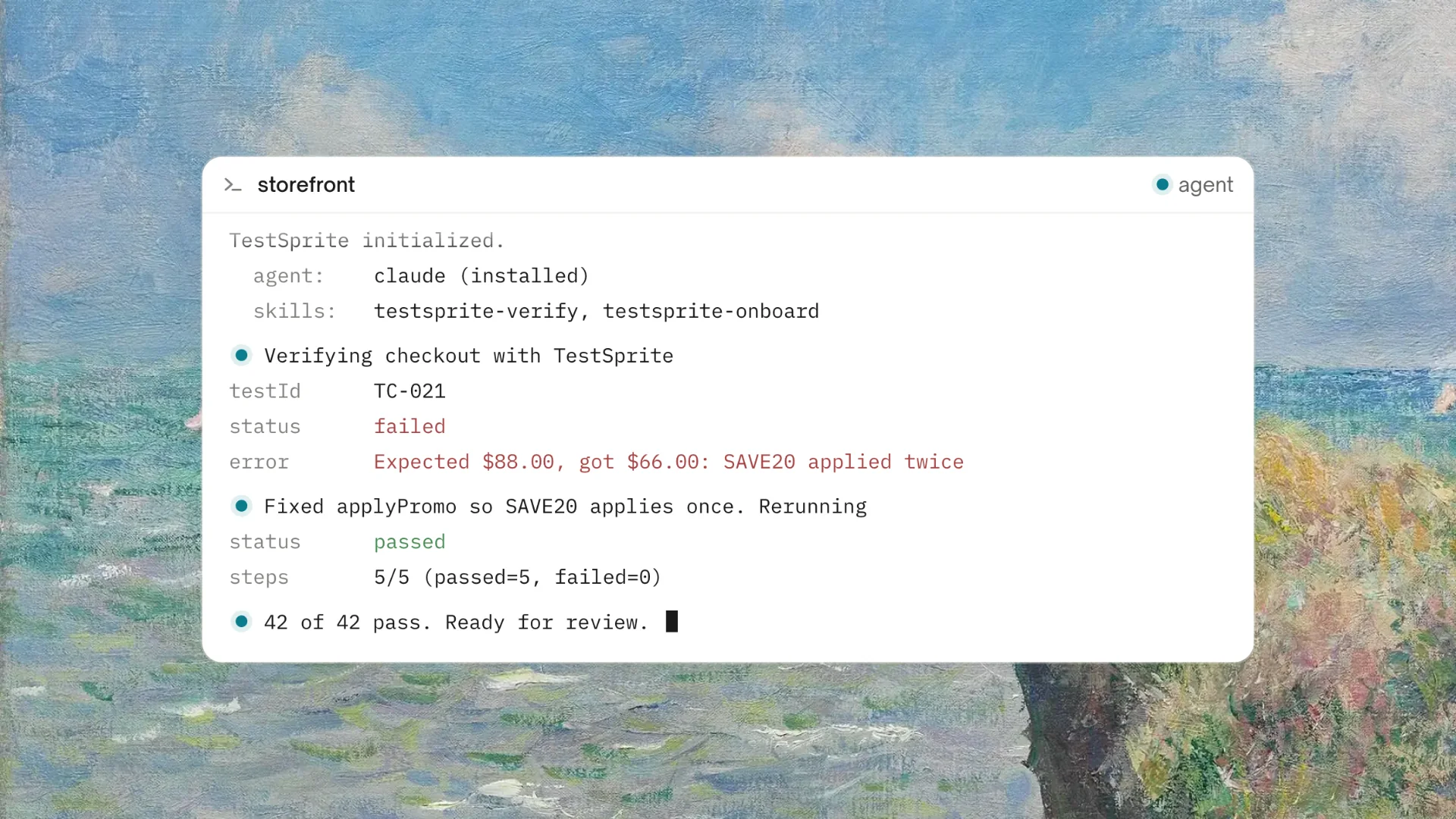
When something breaks, the failure description is in product terms: which flow was navigated, what action was taken, what the product should have delivered, what it actually delivered. That description returns to the IDE, where the coding agent can act on it directly.
How to Approach the Migration
For teams deciding whether to migrate, a parallel approach is lower risk than a full replacement.
Keep the Selenium suite running on its most critical flows: the flows that have historically been sources of production incidents, the flows that represent core business value, and the flows that your team has the most confidence in.
Connect TestSprite to your AI IDE for post-session verification and new feature coverage. After each AI coding session, trigger TestSprite. The agents cover the full product surface, including the new flows the Selenium suite doesn't reach yet and the integration failures that live outside the specified flows.
Over time, the picture becomes clear. If TestSprite consistently finds failures the Selenium suite misses, the value case for migration strengthens. If the Selenium suite's coverage proves complementary rather than redundant, the two approaches coexist productively.
The migration doesn't have to be a single decision. It can be a gradual shift driven by where each approach is producing coverage that matters.
What TestSprite Provides That Browser Automation Can't
Browser automation scripts test the flows they specify. If the specification was wrong, or incomplete, or didn't anticipate a particular user path, the tests don't catch failures in those areas.
TestSprite's exploration agents don't work from a specification. They work from the product. The coverage includes the flows that weren't specified, which is where the integration failures from AI coding sessions most often hide.
Auto-Heal Rerun handles the structural changes that would previously have broken the Selenium suite. When a UI element moves or a component gets reorganized, the test adapts if the behavior didn't change. If the behavior changed, the failure surfaces clearly.
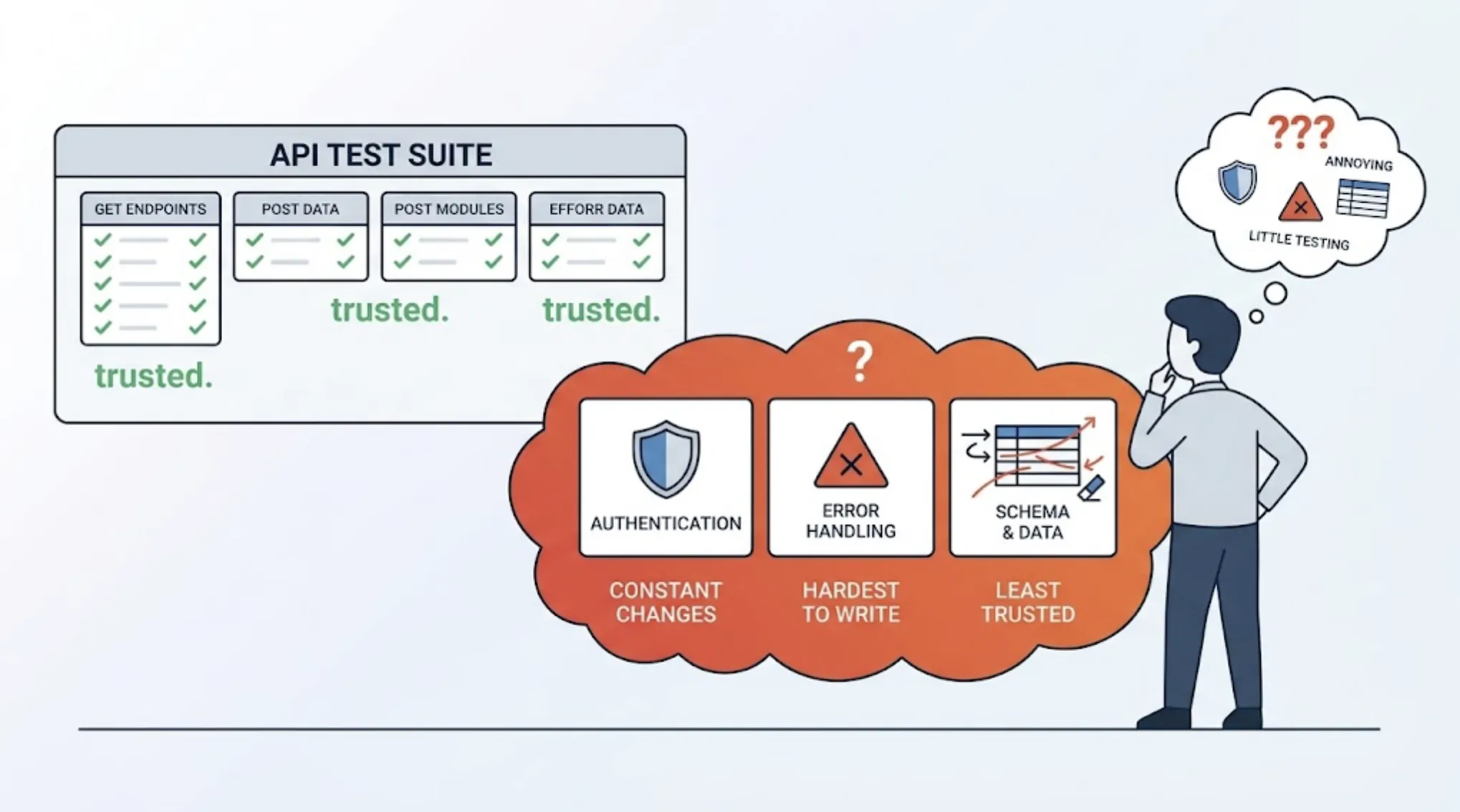
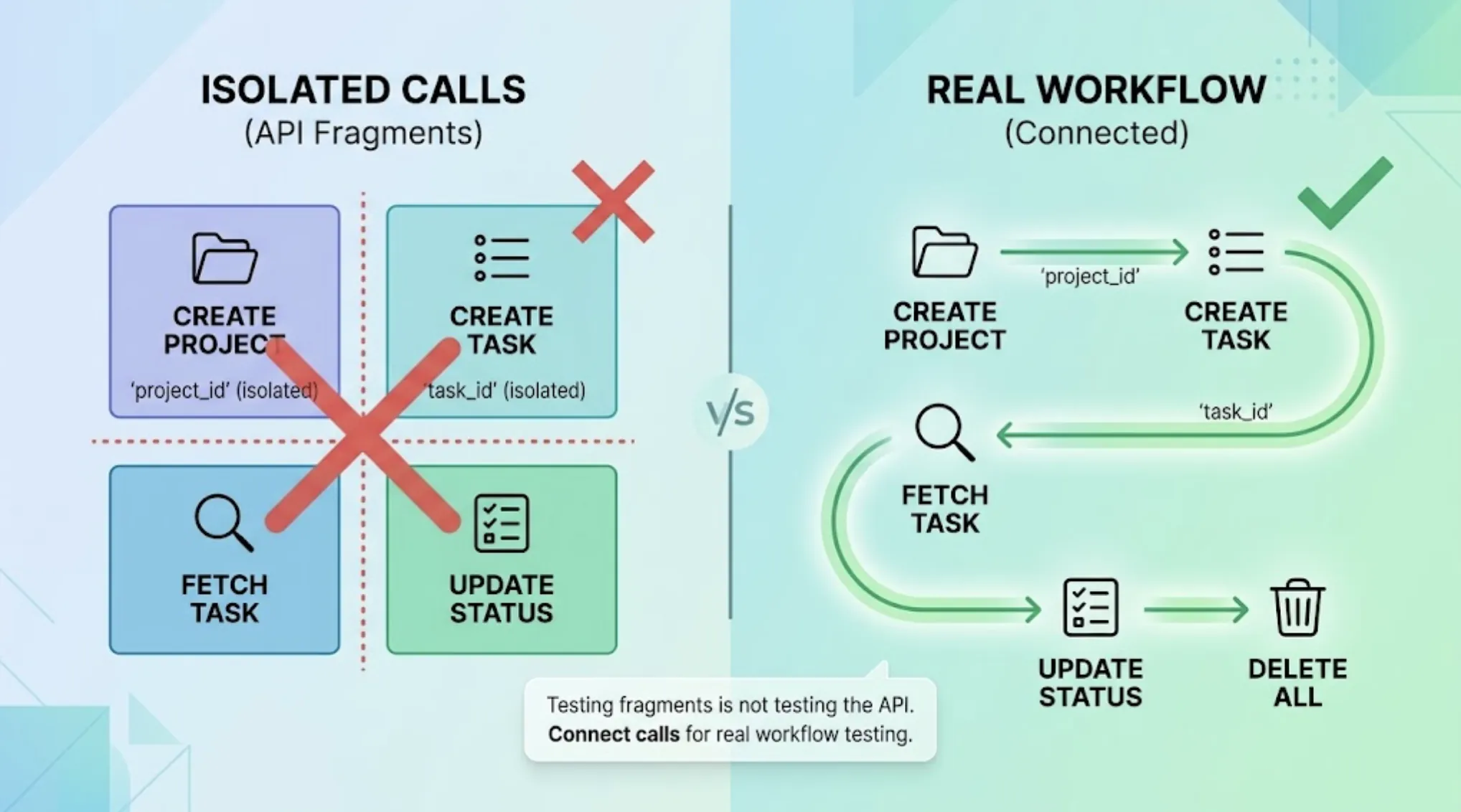
Backend Testing 2.0 extends the same product-layer approach to APIs. Before generating any backend assertion, the agent calls the endpoint and observes the real response. Assertions are grounded in observation. When a Selenium suite was checking that an API returned a specific field name that has since been changed by an AI coding session, TestSprite would have caught the discrepancy by observing what the API actually returns.
A Scenario: Running Both in Parallel
A team has maintained a Selenium suite for three years. It covers their authentication flows, their core product creation workflow, and their billing integration. These tests are stable and reliable.
They've adopted Claude Code over the past six months. The Selenium suite has started producing more maintenance failures, primarily because Claude Code sessions frequently reorganize component structures and update API response formats. The maintenance overhead is growing.
They connect TestSprite to Claude Code through the MCP Server and run both in parallel.
After a Claude Code session that updates the team collaboration features, they trigger TestSprite while the Selenium suite runs in CI.
The Selenium suite: authentication passes, product creation passes, billing passes. The collaboration feature has no Selenium coverage.
TestSprite: the exploration agents navigate the collaboration feature for the first time. They invite a team member, accept the invitation as the new member, and navigate to the shared workspace.
They find that the shared workspace loads correctly for the new member. When the new member tries to create their first item, the creation form submits but the item doesn't appear in the workspace. It appears in the new member's personal workspace instead. The invitation correctly granted workspace access, but the item creation handler still reads the user's default workspace rather than the current workspace context.
The Selenium suite didn't catch it because the collaboration feature is new and has no Selenium tests. TestSprite caught it because the agents navigated the feature the way a new team member joining a shared workspace would.
The failure description returns to the Claude Code terminal. The fix applies in the same session.
The team now has a clearer picture: the Selenium suite remains valuable for the established flows. TestSprite covers new features and integration failures. The migration question has shifted from "replace Selenium" to "where does each approach provide the most value."
Conclusion
The migration question from browser automation scripts to AI testing isn't about replacing one tool with another. It's about understanding where each approach provides coverage that matters and whether the maintenance cost of the current approach is sustainable.
For teams where the Selenium maintenance burden is growing because of AI coding sessions, TestSprite provides an alternative model: exploration-based coverage that finds failures by navigating the product, stays current without selector maintenance, and extends to the backend API layer in a single run.
For teams where Selenium is working well, a parallel approach lets both tools contribute where they're strongest before committing to a full migration.
TestSprite is available to run alongside any existing test setup. The free plan provides 150 credits per month with no credit card required.
Connect TestSprite to Claude Code or Cursor and run it in parallel with your existing suite today.