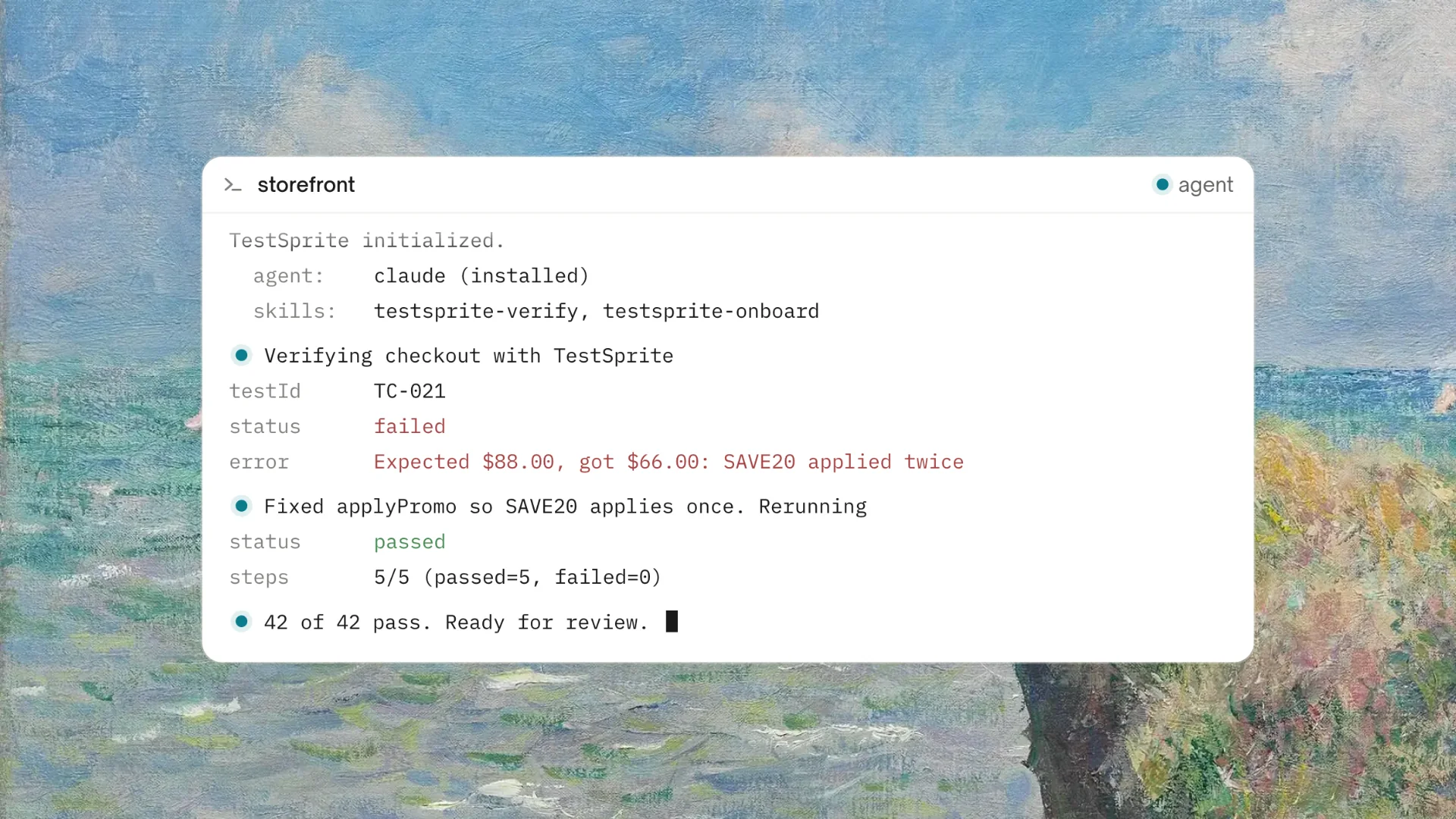
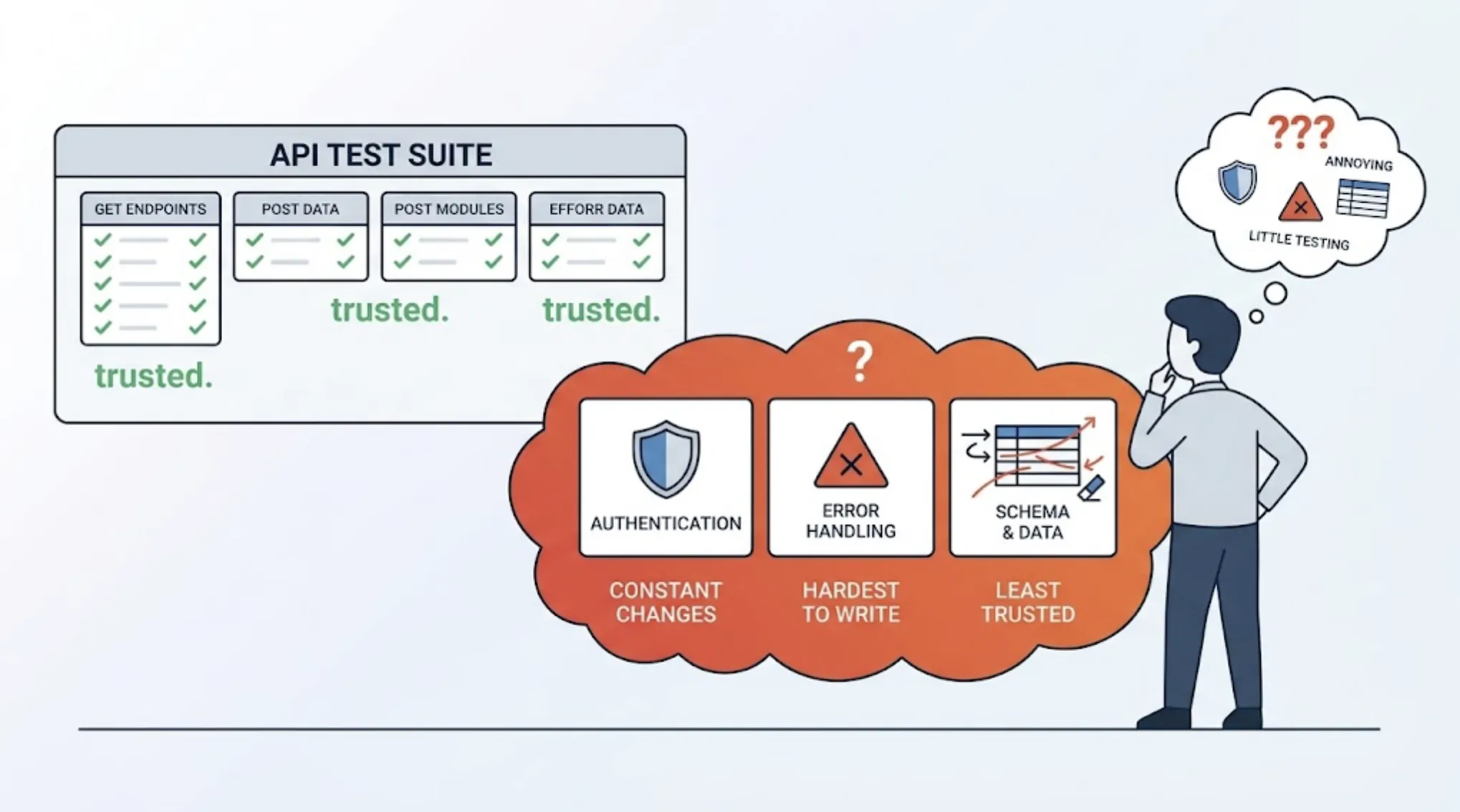
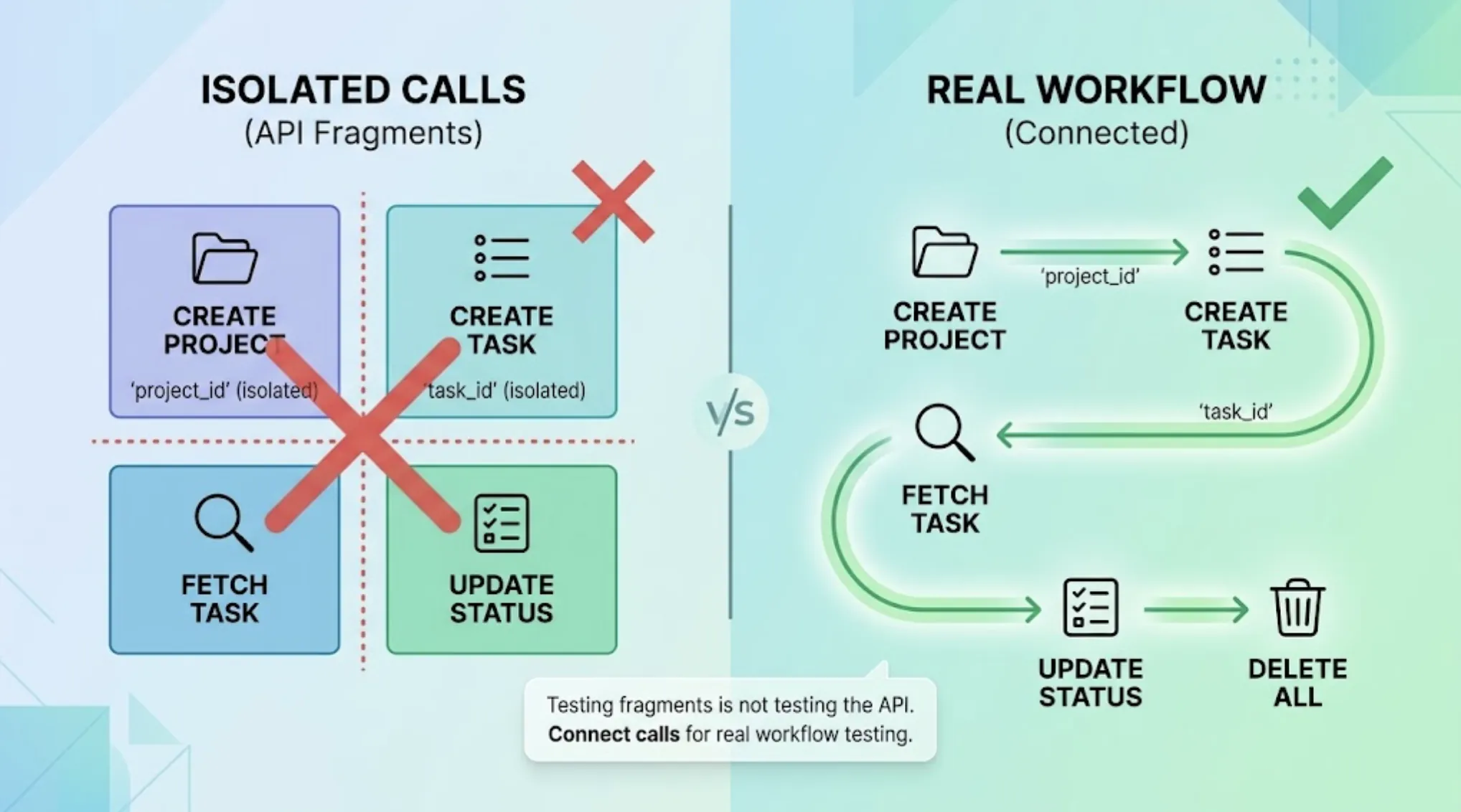
How Does TestSprite Auto-Auth Handle Login Flows During Test Runs?
Rui Li5 min read

Authentication is where automated testing traditionally goes to die.
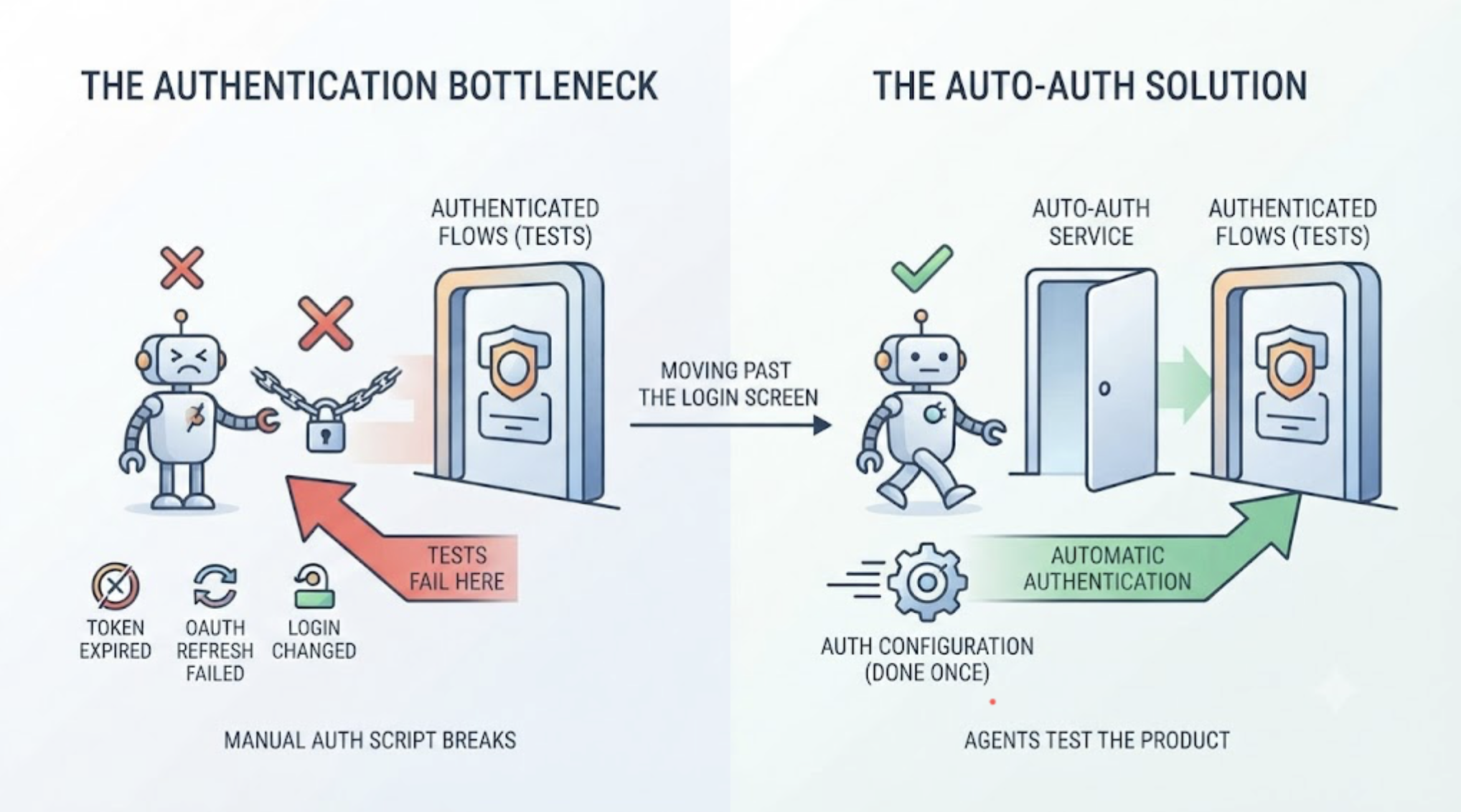
The pattern is universal. A team sets up test coverage, everything works in the demo, and then the suite starts failing at 3 AM because a session token expired, an OAuth refresh wasn't handled, or the login flow changed slightly and the hardcoded auth script broke. The tests that fail aren't testing anything. They're stuck at the front door. And the flows that matter most, the authenticated ones where users actually live, are exactly the ones behind that door.
Auto-Auth is TestSprite's answer: authentication handled automatically before every test execution, configured once, so the agents spend their time testing the product instead of fighting the login screen.
Why Login Is the Classic Blocker for Automated Testing
Authenticated testing has a structural problem: credentials and sessions are stateful, expiring, and environment-specific, while test runs need to be repeatable and unattended.
A session captured today is invalid next week. A token that worked in the morning run expires before the evening one. OAuth flows involve refresh cycles that a static script doesn't perform. And every scheduled run, the kind that's supposed to provide standing coverage without anyone watching, is one expired credential away from a wall of failures that have nothing to do with the product.
Teams handle this with duct tape: long-lived test tokens that security teams rightly hate, login scripts that break when the auth page changes, or simply not testing authenticated flows on a schedule, which quietly excludes most of the product from regression coverage.
What Auto-Auth Does Instead
Auto-Auth runs authentication automatically before every test execution. Configure it once for the project, and every run after that, triggered from the IDE, running on a schedule, or firing in CI, starts by establishing a valid authenticated session on its own.
Other verification tools read your code and guess. TestSprite opens your app and uses it.
Using the app, for most real products, means using it as a logged-in user. Auto-Auth is what makes that first step invisible: by the time the exploration agents begin navigating, they're inside the product, holding a fresh session, the way a real user who just signed in would be.
There's nothing to re-run manually when a token ages out, because tokens don't age out mid-coverage. Authentication is re-established at the start of each execution, every time.
The Three Mechanisms It Supports
Auto-Auth covers the three authentication patterns that account for most real-world products.
Password endpoints. The straightforward case: the run authenticates against your login endpoint with configured test credentials and carries the resulting session through the tests. When the product's session expires on its normal schedule, it doesn't matter, because the next run authenticates fresh.
OAuth refresh tokens. For products using OAuth-based authentication, Auto-Auth performs the refresh flow, exchanging the refresh token for a valid access token before the run begins. The refresh cycle that static scripts skip is handled as part of the setup, so scheduled runs weeks apart each start with a live token.
AWS Cognito. Products built on Cognito get first-class handling of its authentication flow, without the team scripting around Cognito's specifics.
In all three cases, the configuration lives at the project level. Set it up once in the Web Portal, and every surface that triggers tests, MCP from inside Cursor or Claude Code, scheduled regressions, GitHub Actions on pull requests, inherits working authentication.
What This Unlocks: The Coverage Behind the Login
The practical payoff isn't the login itself. It's everything the login was blocking.
Scheduled regressions become trustworthy. A nightly run against staging covers the authenticated product surface, dashboards, settings, billing, team management, and a Friday-evening token expiry doesn't produce a Monday-morning wall of false failures. The "Changes vs previous" review stays about the product.
CI coverage extends past the marketing pages. A pull request's TestSprite run navigates the logged-in experience of the preview deployment, which is where the regressions from AI coding sessions actually live. Very few Claude Code sessions break the login page. Plenty of them break something three screens past it.
And role-based flows become testable systematically. Products with permission models need coverage as different user types, and authenticated sessions per configured account are the precondition for agents verifying that a Viewer sees what a Viewer should and an Admin can do what an Admin can.
A Scenario: The Nightly Run That Stopped Crying Wolf
A five-person team builds a property management SaaS on AWS Cognito. Landlords log in to manage units, leases, and maintenance requests. Before TestSprite, their attempt at scheduled testing had a recurring failure mode: the auth helper script broke roughly monthly, whenever token handling or the Cognito configuration shifted, and each time it painted the whole suite red. After the third false alarm, the team started ignoring the nightly email, which meant they also ignored the one morning it was real.
They moved to TestSprite on the Standard plan, configured Auto-Auth for the project with their Cognito setup and a set of role-scoped test accounts, and pointed a nightly schedule at staging.
The next weeks were quiet in the right way. Every night, the run authenticated fresh through Cognito, and the agents worked the authenticated product: creating leases, logging maintenance requests, checking the landlord dashboard.
Then a Thursday night run flagged one change. A Claude Code session that day had reworked the maintenance request flow, and the run found that a tenant-role account could now see maintenance cost estimates, figures that had always been landlord-only, because the rework fetched the full request object into the shared view. The finding was specific: which role, which screen, what was visible, what should have been.
The failure email's inline analysis said exactly that. Friday morning, the fix took twenty minutes. Nobody had touched authentication in weeks, and nobody had to: the login worked every night precisely so that the night it mattered, the finding was about the product.
Conclusion
Auto-Auth handles login flows by making them a solved setup step instead of a recurring failure source: authentication runs automatically before every execution, supporting password endpoints, OAuth refresh tokens, and AWS Cognito, configured once per project and inherited by every test surface.
What it really delivers is the coverage behind the login, the authenticated flows where users spend their time and where AI coding sessions introduce their regressions, tested on schedules and in CI without credential ceremony or 3 AM false alarms.
Set up Auto-Auth with TestSprite and put your authenticated flows under standing coverage today.